
A Clear Path from Operational Pain to Capital Decision
Each engagement follows a structured technical-commercial process designed to reduce ambiguity, improve decision quality, and support successful project execution.

Define
Problem Statement and Scope
Primary, Secondary, & Tertiary Objectives
Success Criteria Definition
Stakeholder Criteria Weighting
Budget and Schedule Constraints

2. Measure & Gather
Facility Layout and CAD Review
Utility Accounting
Staffing Analysis
Value Stream Assessment
Bills of Materials and Routing Analysis
Tool and Part Drawings
Existing Process Performance Baseline
3. Analyze
Solution Path Refinement and Concept Narrowing
Waste Reduction Opportunity Integration into Design Concepts
Design for Reliability, Maintainability, Serviceability, & Safety
Equipment Type and Functional Fitment Analysis
OEM Candidate Discovery and Vetting
Utility, Labor, Material, Maintenance, & Operating Cost Savings Analysis
ROI and Economic Feasibility Modeling
Key Assumption Validation and Risk Checkpoint Review
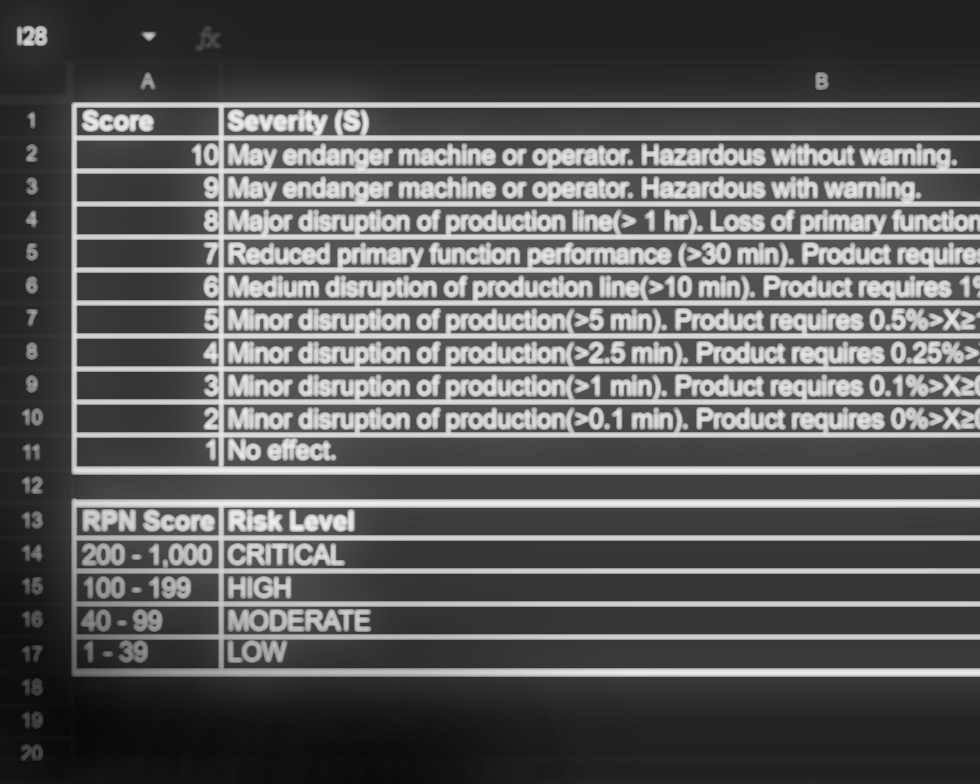
DFMEA Risk Analysis and Mitigation Planning

4. Source, Pressure-Test, & Select
Requirements-Driven RFQ Development
Acceptance Criteria Refinement Informed by DFMEA Results
Commercial Risk Protection Recommendations
Vendor Bid Trade Study and Technical-Commercial Comparison
Competitive Negotiation Support
Final Vendor Selection Guidance

5. Handoff & Implementation Readiness
Detailed Project Management Plan Development
Vendor and Client Technical Alignment
Stakeholder Documentation Package Delivery
Implementation Readiness Review
Decision Rationale Documentation
Optional Project Oversight Support
Planning an Equipment or Automation Project?